
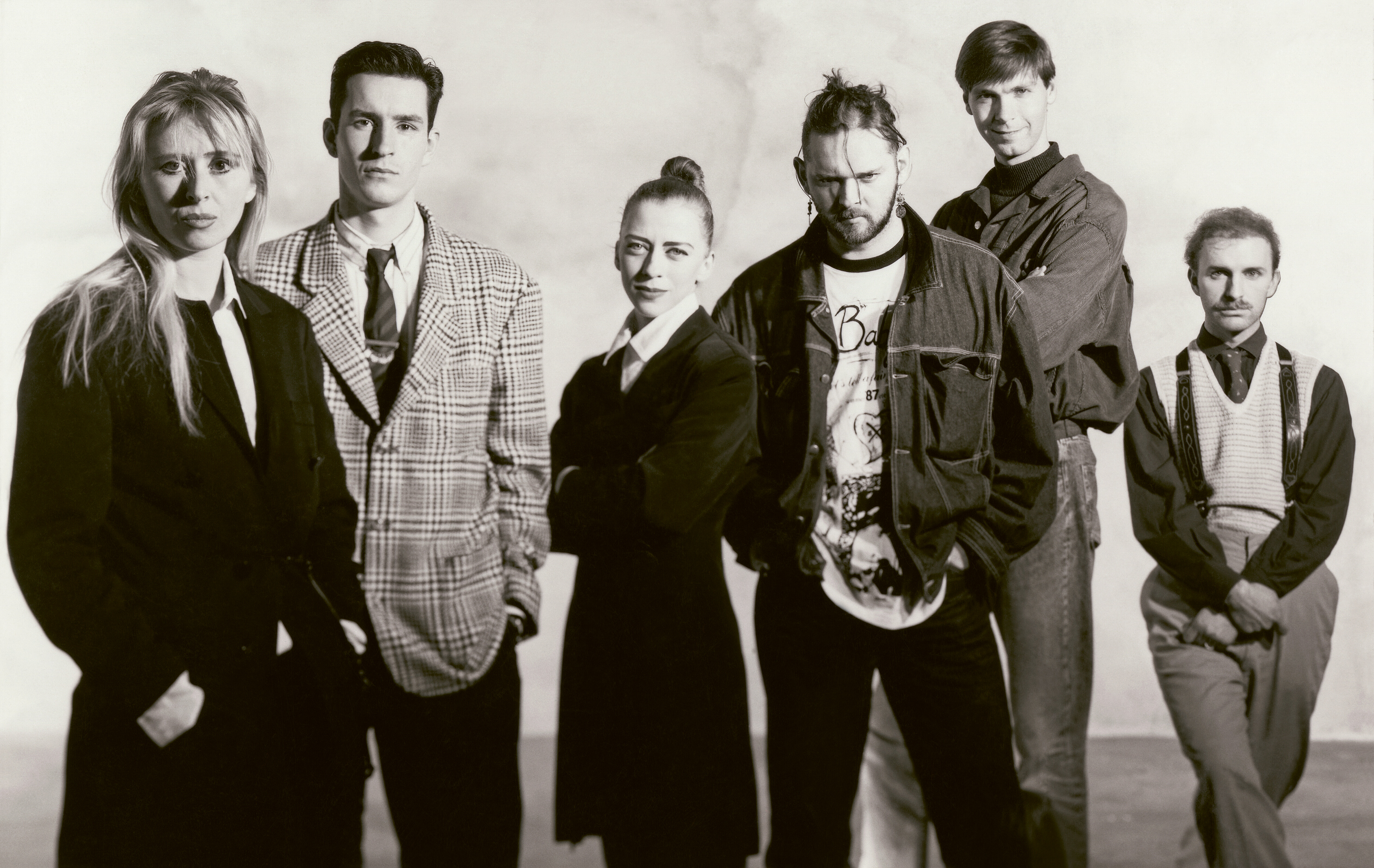
The Antwerp Six, 1986 © Photo: Karel Fonteyne
THE SIX WHO CHANGED THE GAME
In 1986, Antwerp didn’t ask for permission: it changed fashion.
There are cities that follow trends, and then there is Antwerp. In 1986, six young designers freshly graduated from the Royal Academy of Fine Arts rented a truck, loaded up their collections and drove to London. Destination: the British Designer Show. Budget: tiny. Ego: solid. Vision: radical. Buyers couldn’t pronounce their names. The press hesitated. The public, however, immediately sensed that something was happening. A new energy. A different silhouette. A freedom that cut through the formulaic fashion of the 1980s. Almost despite themselves, they were christened The Antwerp Six: Dries Van Noten, Ann Demeulemeester, Walter Van Beirendonck, Dirk Bikkembergs, Dirk Van Saene, Marina Yee. Six signatures. Six temperaments. No uniform. What united them? A way of deconstructing the garment. Of mixing dark romanticism, ethnic references, subversive tailoring, graphic humor. Of turning clothing into a manifesto. They never formed a collective in the strict sense. They shared a school, a generation, a city. But history decided to group them together, and global fashion shifted. Thanks to them, Antwerp became an epicenter. A fertile anomaly. An unexpected capital.
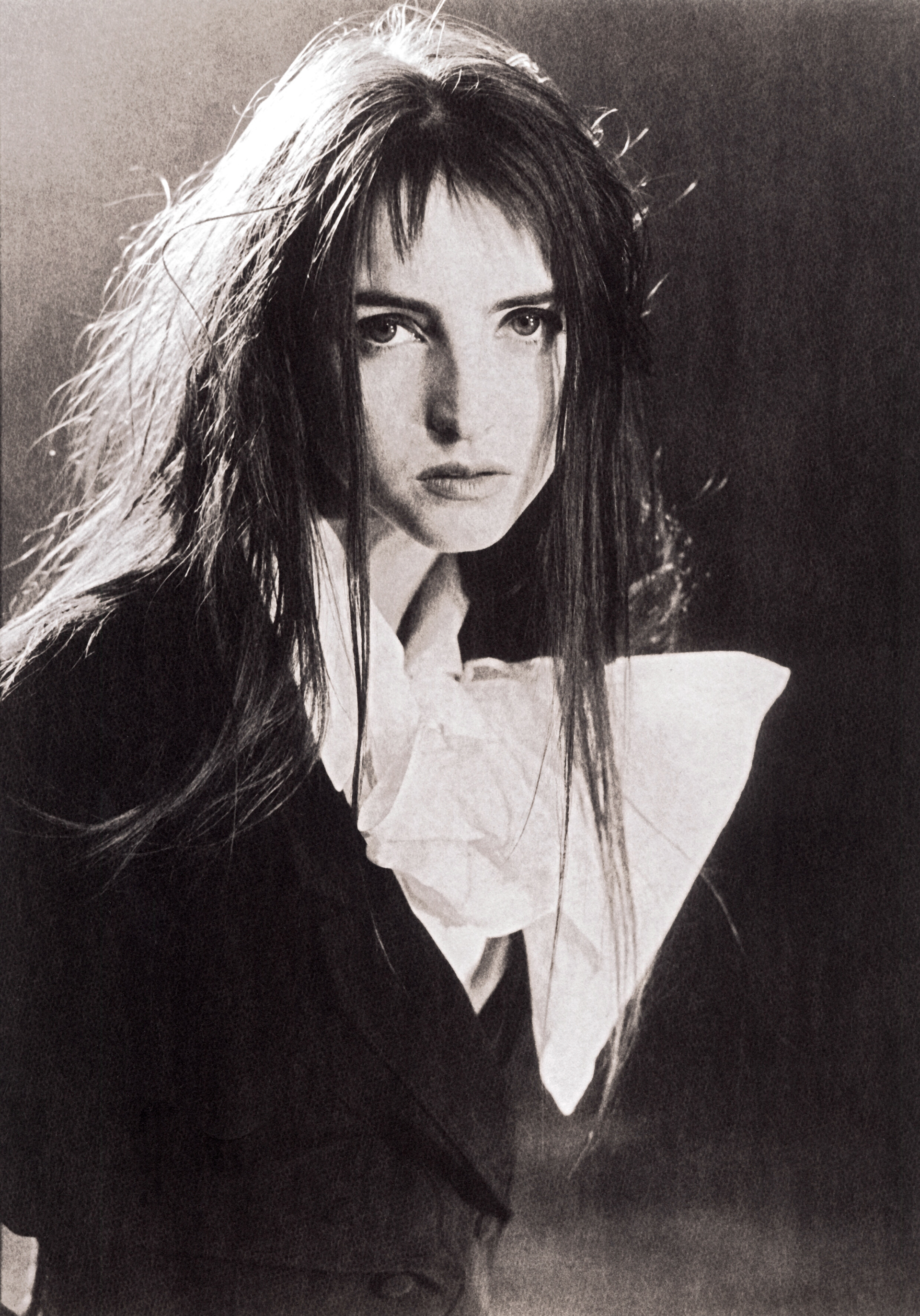
Ann Demeulemeester, Spring/Summer 1988 © Photo: Patrick Robyn
In Antwerp, an exhibition as a celebration
At MoMu, a new exhibition does not play the dusty card of the polite retrospective. It pulses, breathes, and asserts itself. Archival silhouettes, iconic pieces, sketches, videos, runway photographs… The journey tells the story of an aesthetic earthquake. You see the early collections, brilliantly improvised, the asymmetrical volumes, the daring layering, the unexpected textiles, but above all, you feel the freedom.
In Dries Van Noten’s work, the intelligence of pattern and the poetry of fabric. In Ann Demeulemeester’s, a dark, almost literary romanticism. In Walter Van Beirendonck’s, color as a pop and political weapon. In Dirk Bikkembergs’, a charged athletic tension. In Dirk Van Saene’s, artisanal experimentation. In Marina Yee’s, recycling ahead of its time, couture as an intimate act. The exhibition also reminds us of something essential: their revolution was not a pose. It was a necessity. In a Belgium still discreet on the fashion scene, they invented their own language, an accent. An attitude.
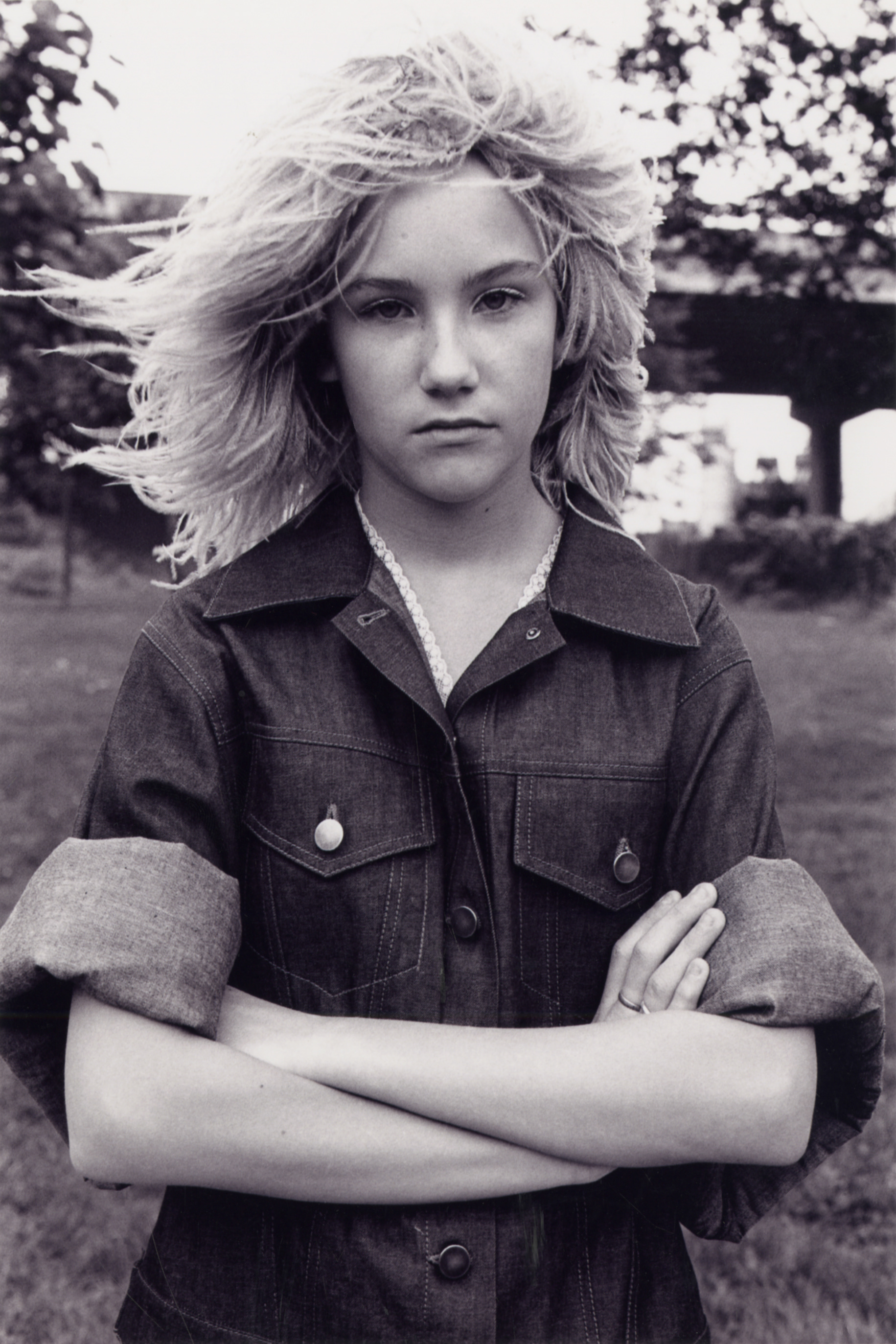
Dirk van Saene, Spring/Summer 2001, © Photo: Ronald Stoops
Why it still electrifies us
Because the Six never tried to seduce the system; they created their own. They proved that a small city could upend Paris, London and Milan, not through imitation, but through singularity. They paved the way for an entire Belgian generation: Martin Margiela, Raf Simons, and many others. What MoMu brings to light is that founding energy. That precise moment when fashion becomes an adventure again. You leave the exhibition with a very simple desire: to dare more.
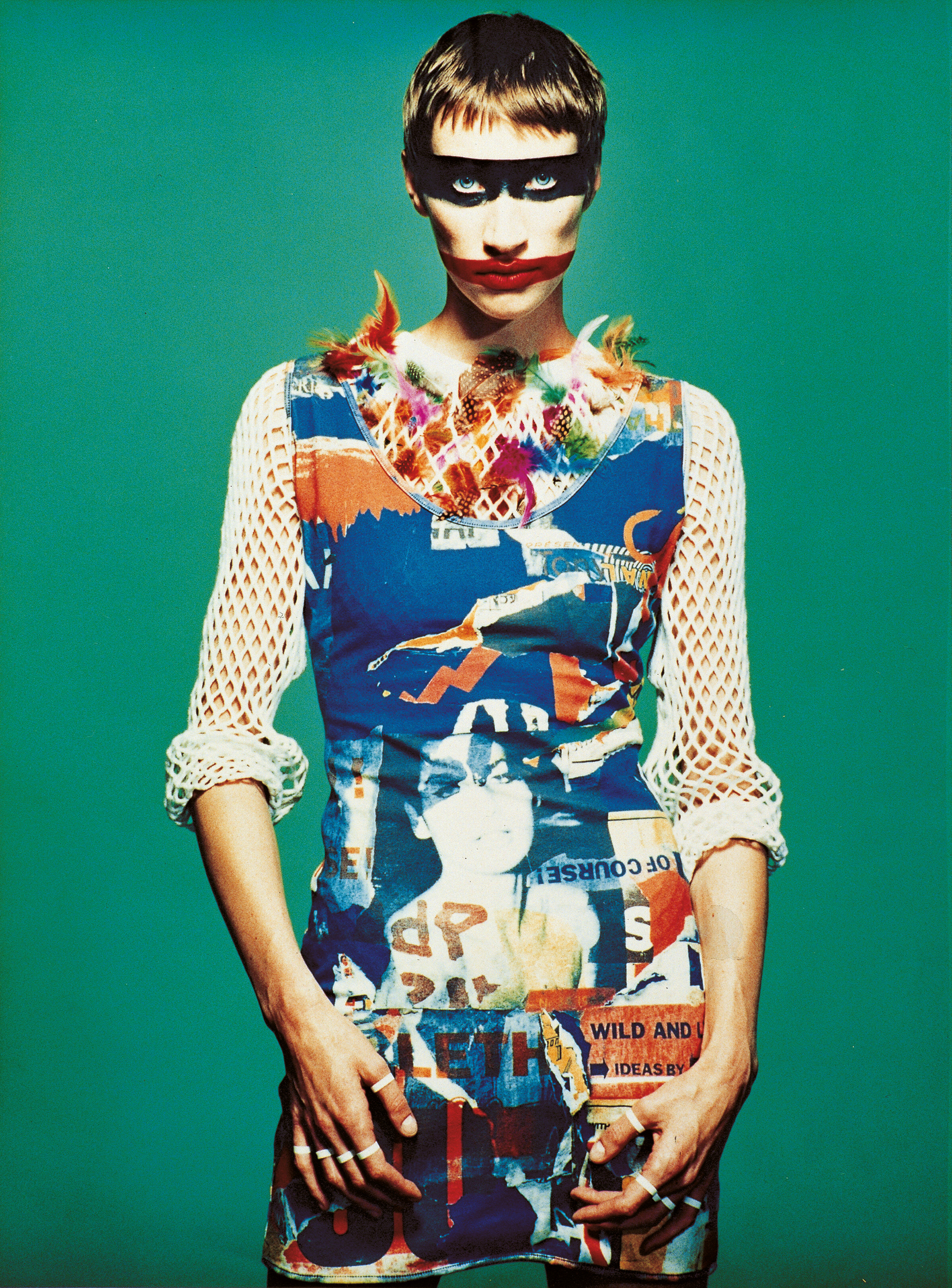
Walter Van Beirendonck, Wild and Lethal Trash, Spring/Summer 1993 © Photo: Ronald Stoops
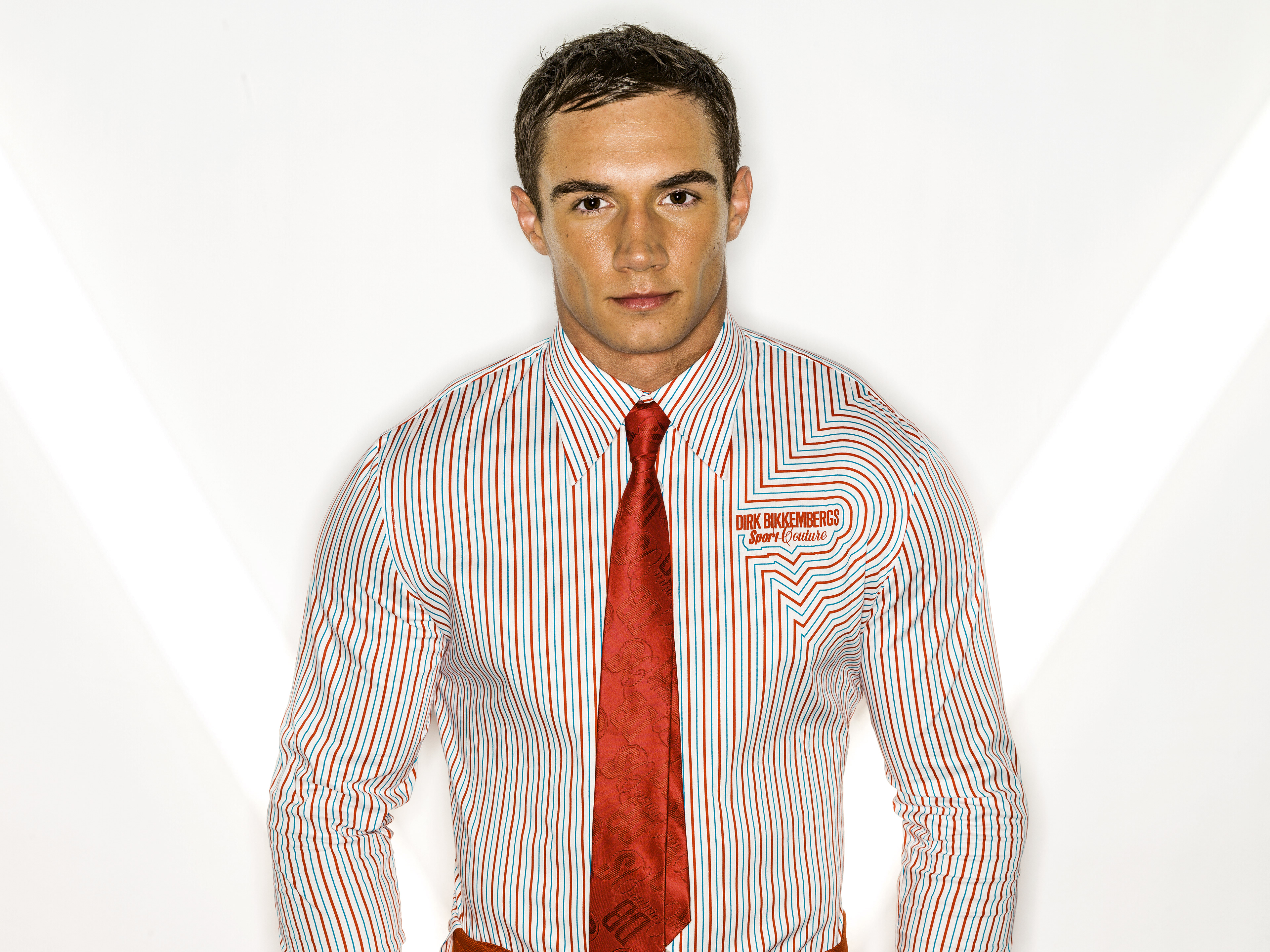
Dirk Bikkembergs, Spring/Summer 2007 © Photo: Luc Williame, Model: Tristan
The Antwerp Six, from March 28, 2026 to January 17, 2027
MoMu, Fashion Museum Antwerp, Nationalestraat 28, 2000 Antwerp, Belgium
MoMu, Fashion Museum Antwerp, Nationalestraat 28, 2000 Antwerp, Belgium