
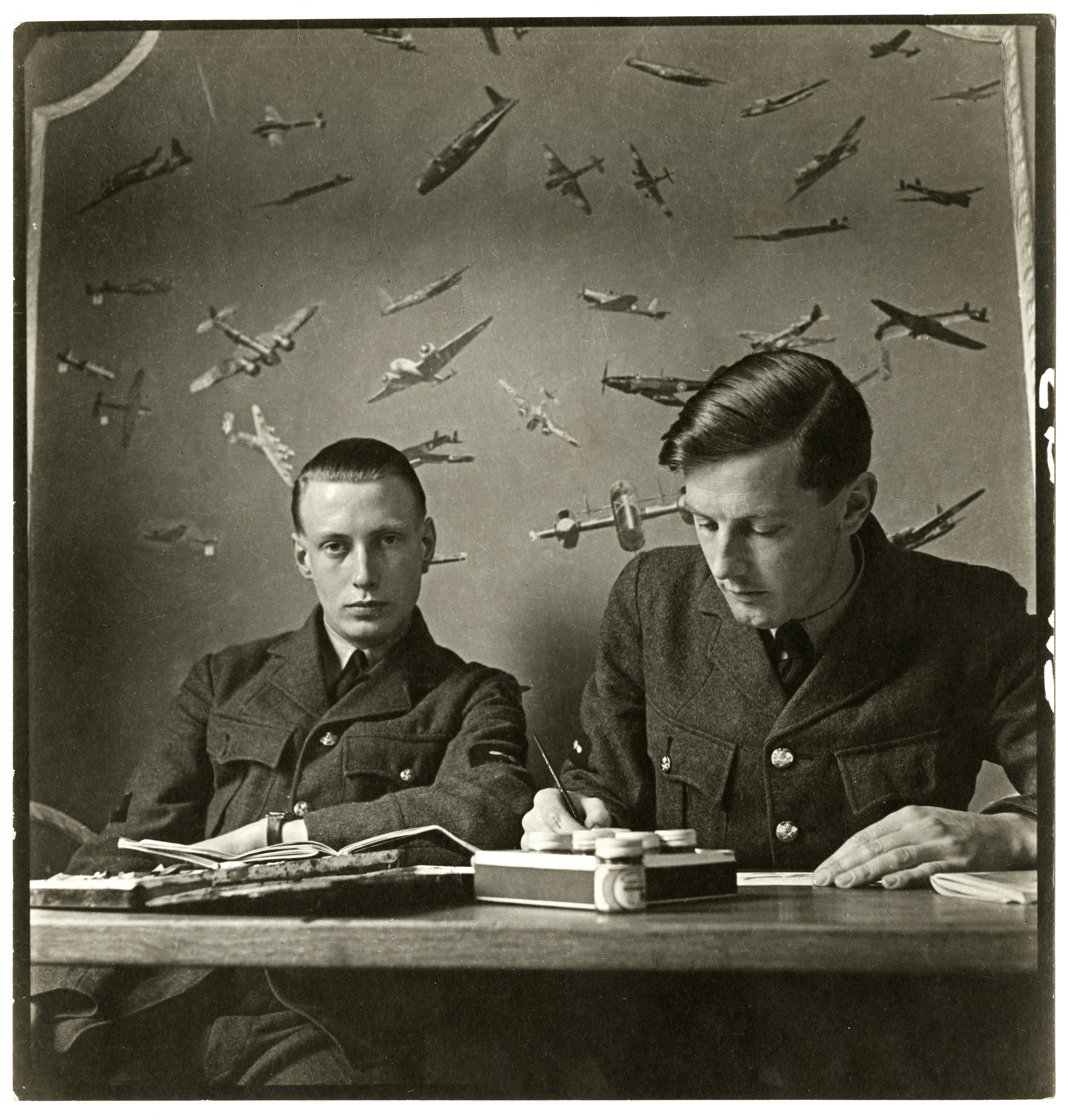
The Men Who Fly Planes, 1941, The Cecil Beaton Studio Archive, London.
Cecil Beaton: The Vertigo of Glamour
Words by Saffron Miles
At London’s National Portrait Gallery, an exhibition reveals a master of mise-en-scène obsessed with beauty and haunted by what it conceals.
At the National Portrait Gallery, the exhibition devoted to Cecil Beaton feels less like a retrospective than a slow drift. A hypnotic tracking shot through a world saturated with artificial light, powder, and sets too beautiful to be honest. You don’t walk through it: you float, slightly anesthetized. Everything sparkles. Everything holds together. Everything lies, elegantly. Cecil Beaton never appears here as a mere photographer. He is the orchestrator of a cult: beauty as refuge and as trap, beauty as theatre without intermission. Born in London in 1904 and dead in 1980, Beaton spent his life constructing himself as much as constructing images. Published very early in Vogue, first British, then American, he did more than deliver photographs: he shaped tone, attitude, rhythm. Beaton thought in pages as much as in images. Long before many others, he understood that glamour is a form of storytelling, and that a magazine is a stage.
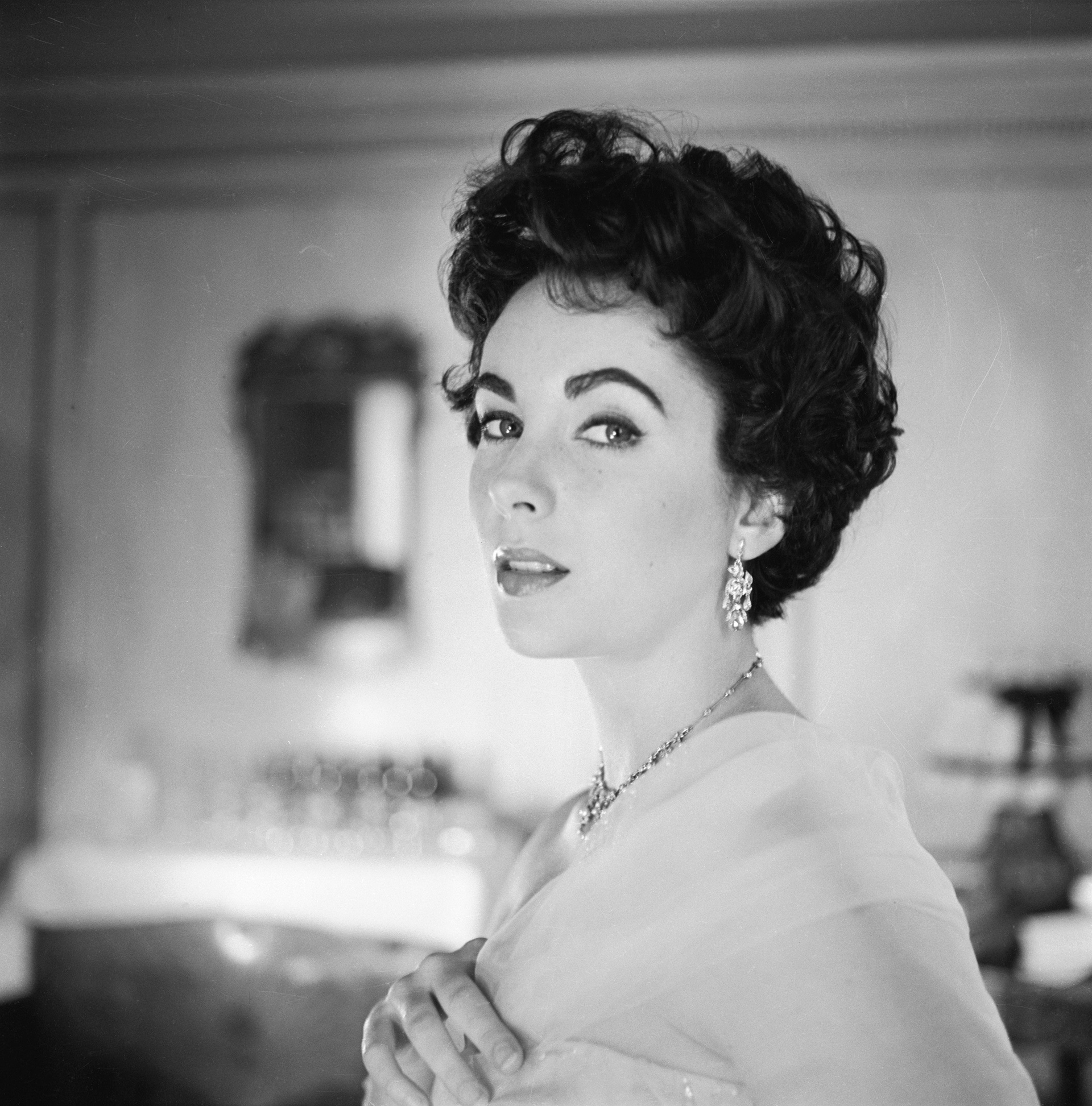
Elizabeth Taylor, 1955, The Cecil Beaton Studio Archive, London.
His work as an editor, in the broad, almost organic sense of the word, is fundamental. At Vogue, then at Vanity Fair, Beaton did not document an era: he ordered it, hierarchized it, stylized it. He chose what deserved to be seen and, above all, how it should be seen. Sets, captions, sequences, layouts: everything contributes to a coherent, closed, self-sufficient narrative. Beaton edited the world as he edited his portraits, by eliminating the superfluous, intensifying the desirable, correcting reality until it bent to his vision. This editorial authority extended into his books and albums, but also into his diaries, kept with almost cruel meticulousness: once again, he selected, cut, rewrote, controlled.
The portraits displayed at the National Portrait Gallery thus emerge like luxurious spectres: English aristocrats, Hollywood stars, heiresses, fashion figures, all frozen in an almost violent perfection. The world he creates is sealed, hermetic, impeccably lit, but airless. A private club, an eternal ball observed from the outside, one’s hand pressed against the cold glass. It is precisely in this abundance that the exhibition turns tragic. The more Cecil Beaton polishes his images, the more the underlying panic reveals itself: fear of the banal, obsession with the fall, terror of disappearance. Each set acts as a fragile fortress. Every drawn curtain conceals a breach. There is a near-desperate nervousness at work: the anxiety of a man trying to suspend time, to arrest beauty at the edge of the abyss. It is said that Beaton regularly destroyed his own negatives, dissatisfied, unable to let an image outlive him without control. Even the archive had to obey.
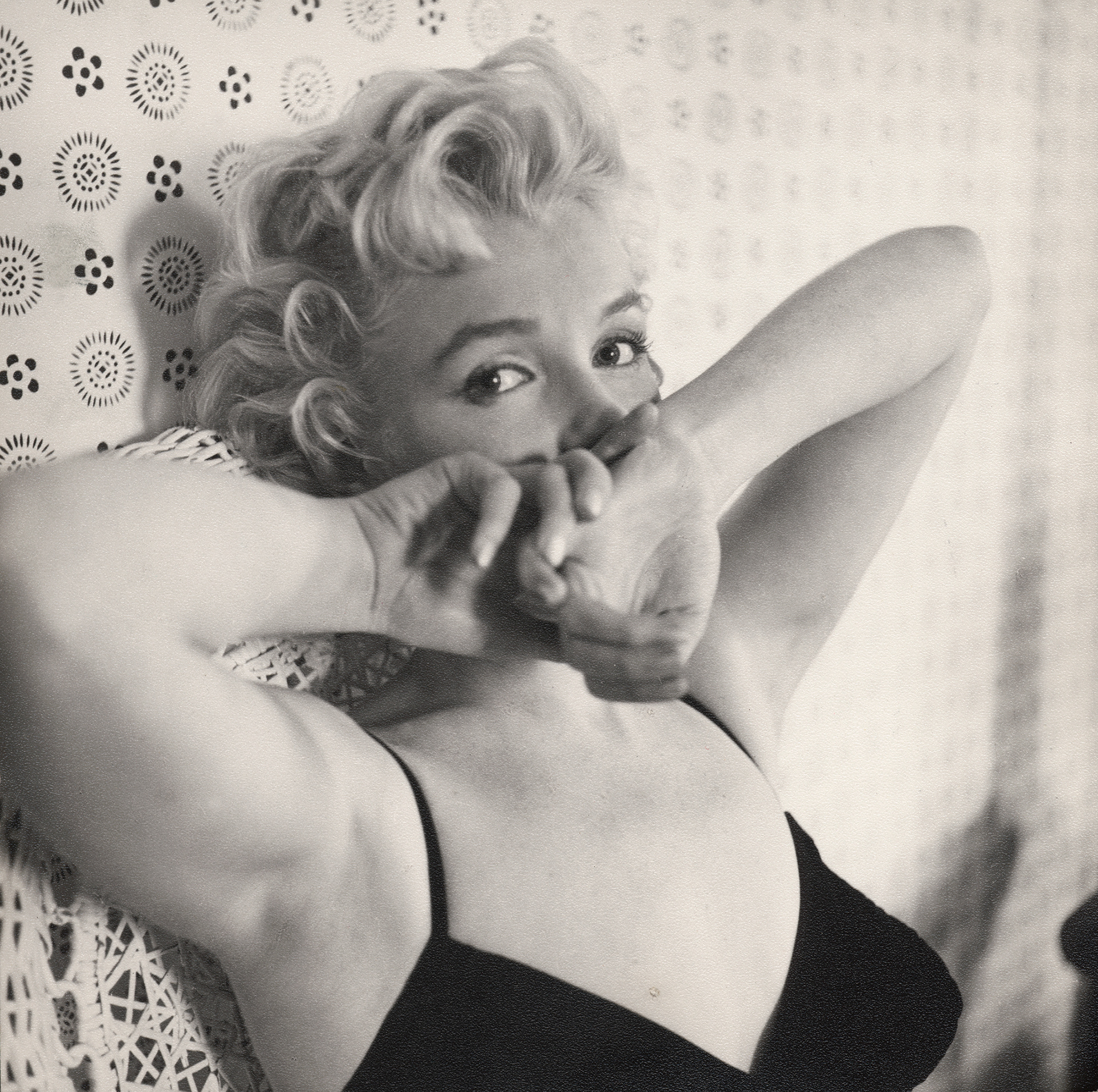
Venus Unmasked (Marilyn Monroe at the Ambassador Hotel, New York), 1956,
National Portrait Gallery, London
When the Set Collapses
The most moving moments are those in which the system cracks. First, the portrait of Anna May Wong, taken in 1929: an image of almost painful intensity. Wong burns the frame from within, imposing a presence the mondain apparatus struggles to contain. In a body of work largely shaped by an elitist, Western gaze, this photograph acts as an aesthetic, cultural, almost moral, fault line. Then come the war images. In 1940, Beaton was sent as an official photographer by the Ministry of Information. Glamour collapses abruptly. A child wounded during the Blitz, photographed in hospital, clutches a doll. And suddenly, silence. Beaton stops composing. He looks. He records. He no longer controls. And it is there that he becomes profoundly human. The male figures, too, unsettle through their restraint. Portraits from the 1930s: averted gazes, suspended gestures, almost fragile bodies. The pose is no longer a triumphant armor but a flimsy protection. Opulence becomes vulnerable. Glamour, a defense too thin.
The most moving moments are those in which the system cracks. First, the portrait of Anna May Wong, taken in 1929: an image of almost painful intensity. Wong burns the frame from within, imposing a presence the mondain apparatus struggles to contain. In a body of work largely shaped by an elitist, Western gaze, this photograph acts as an aesthetic, cultural, almost moral, fault line. Then come the war images. In 1940, Beaton was sent as an official photographer by the Ministry of Information. Glamour collapses abruptly. A child wounded during the Blitz, photographed in hospital, clutches a doll. And suddenly, silence. Beaton stops composing. He looks. He records. He no longer controls. And it is there that he becomes profoundly human. The male figures, too, unsettle through their restraint. Portraits from the 1930s: averted gazes, suspended gestures, almost fragile bodies. The pose is no longer a triumphant armor but a flimsy protection. Opulence becomes vulnerable. Glamour, a defense too thin.
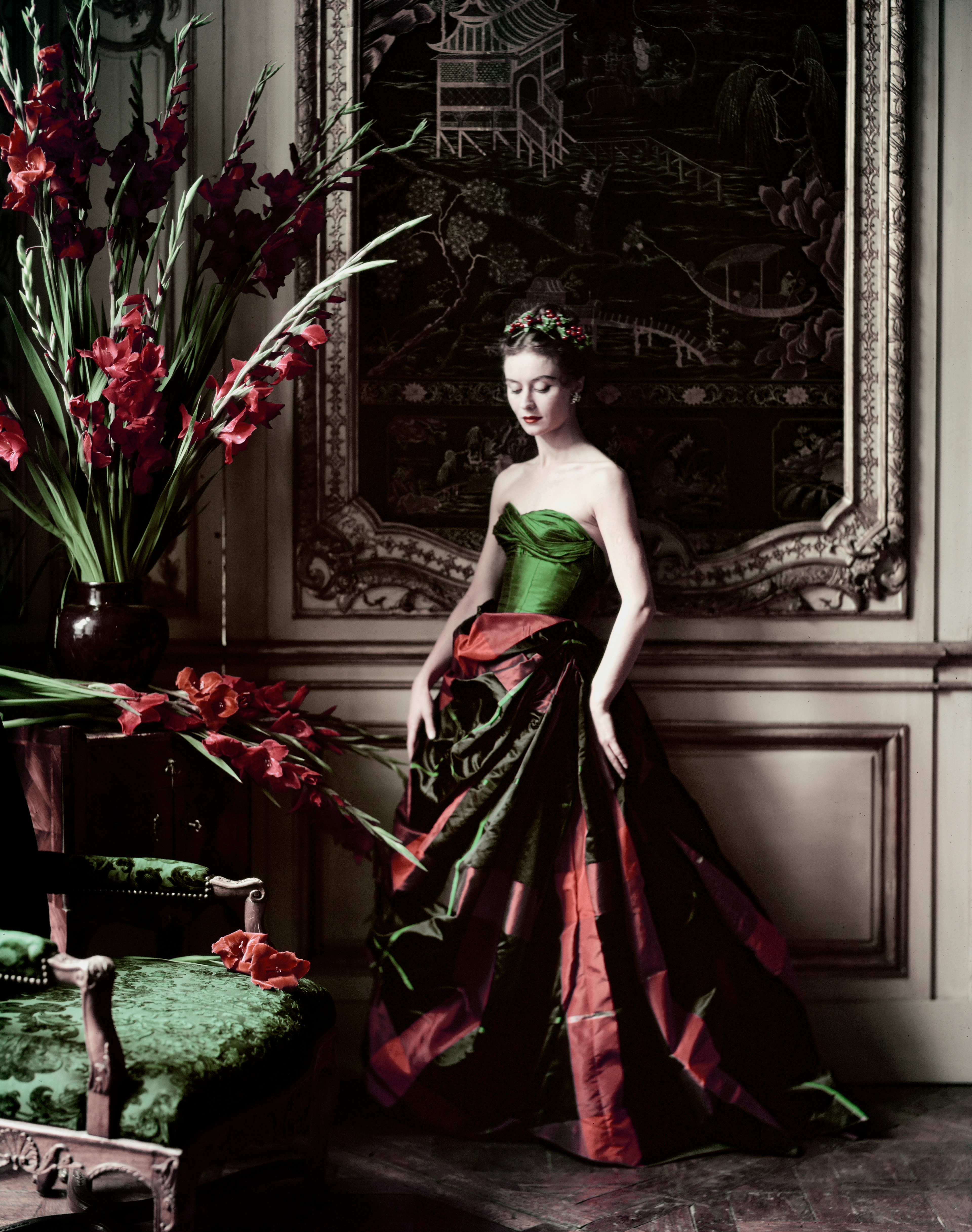
Best Invitation of the Season (Nina De Voe in ball gown by Balmain), 1951,
The Condé Nast Archive, New York
The Illusion of Permanence
The final section, dazzling (My Fair Lady costumes, cinema, musical theatre) resounds like a paradoxical apotheosis. Beaton won two Oscars, consecrating his visual genius and his sense of total spectacle. But after so much light, all that remains is an immense abandoned set, absent silhouettes, applause echoing into the void. Beauty has won—but it has consumed everything. Beaton never sought gentleness or consolation. Struck by a stroke in 1974 and physically diminished, he nevertheless continued to dictate his diaries, revise his books, and monitor his image until the very end. He did not want to be likeable. He wanted to remain master of the frame. And he succeeds. But at the cost of a question that returns, insistent and cruel: when the world becomes an edited, stylized, carefully laid-out object, what remains of us, once the lights go out?
The final section, dazzling (My Fair Lady costumes, cinema, musical theatre) resounds like a paradoxical apotheosis. Beaton won two Oscars, consecrating his visual genius and his sense of total spectacle. But after so much light, all that remains is an immense abandoned set, absent silhouettes, applause echoing into the void. Beauty has won—but it has consumed everything. Beaton never sought gentleness or consolation. Struck by a stroke in 1974 and physically diminished, he nevertheless continued to dictate his diaries, revise his books, and monitor his image until the very end. He did not want to be likeable. He wanted to remain master of the frame. And he succeeds. But at the cost of a question that returns, insistent and cruel: when the world becomes an edited, stylized, carefully laid-out object, what remains of us, once the lights go out?
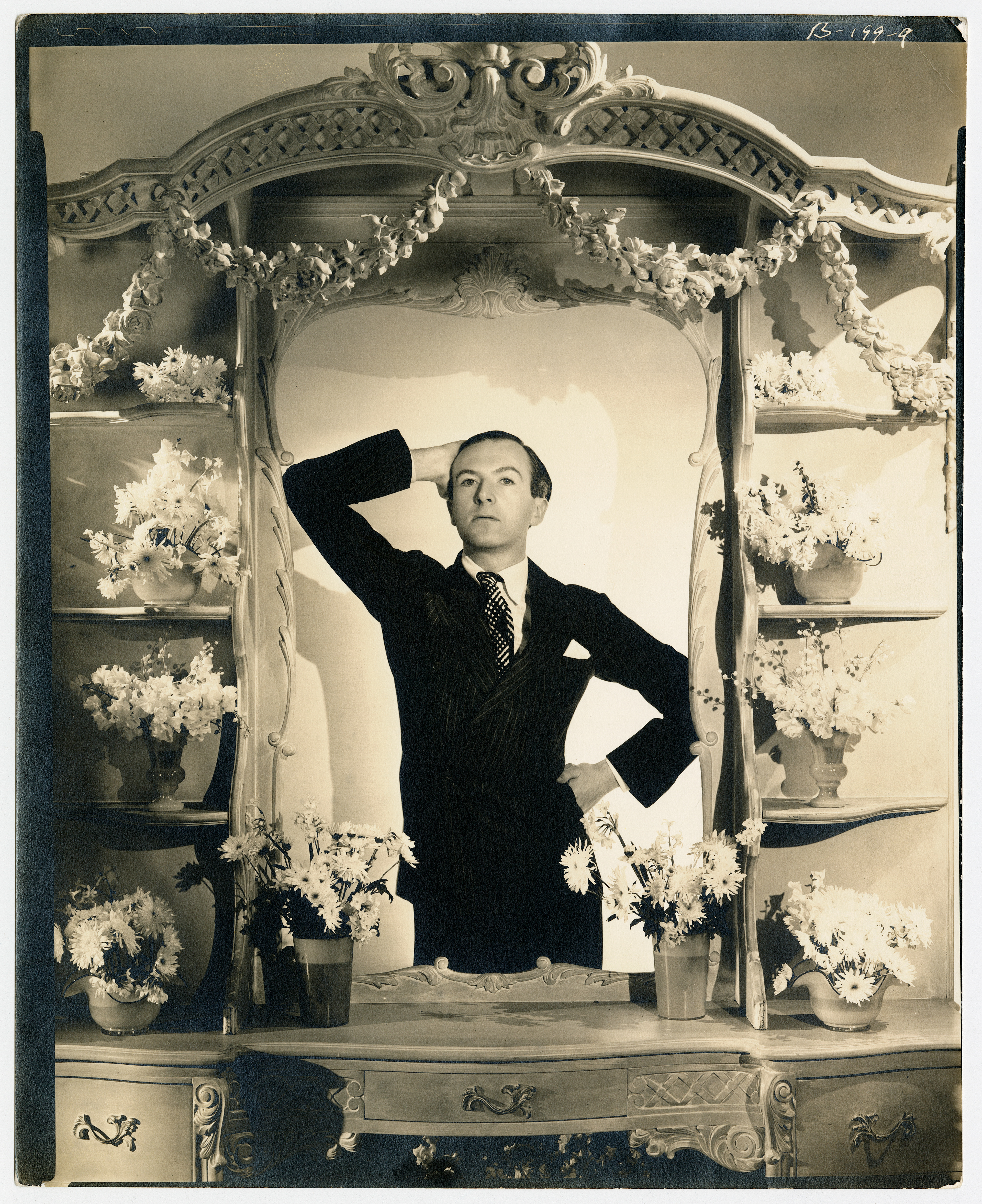
Cecil Beaton, c.1935, The Cecil Beaton Studio Archive, London
Cecil Beaton’s Fashionable World, until 11 January 2026 National Portrait Gallery, St Martin’s Place, Charing Cross, London WC2H 0HE
npg.org.uk
Originally published in CITY MAGAZINE INTERNATIONAL #1